NEBDN Oral Health Education Course
NEBDN CERTIFICATE IN ORAL HEALTH EDUCATION
The NEBDN Certificate in Oral Health Education, offered by Dental Tutors, is designed to help dental nurses develop the knowledge, practical skills and confidence needed to promote good oral health and deliver effective, evidence-based oral health education.
The NEBDN Oral Health Education course is specifically designed to equip a Dental Nurse wishing to develop professionally to become an oral health educator, with the knowledge and skills required to be able to effectively deliver oral health care messages, educate various patient groups and have the ability to adapt educational approaches to individual needs and support the prevention of common oral diseases.
This course prepares dental nurses to deliver individual and group oral health education in dental practices, community settings and hospital environments, within their professional scope of practice.
NEBDN ORAL HEALTH EDUCATION COURSE AT A GLANCE:
Qualification: NEBDN Certificate in Oral Health Education (Equivalent to Level 4).
Course provider: Dental Tutors.
Course start date: Enrol at any time and start studying the same day. There are no fixed start dates or waiting lists.
Who’s it for: GDC-registered dental nurses who want to become more involved in-patient care and specialise in oral health promotion and disease prevention. The course covers the structure of the oral cavity, plaque-related diseases, preventive techniques, communication skills and lesson planning.
Course Duration: 6-12 months.
Study Method: Online Zoom/Remote sessions, with learning materials available on our Online Students Hub.
Lessons: Zoom lessons on Sundays, 2 hours each. View/Download the Full Lesson Timetable.
Awarding Body: National Examining Board for Dental Nurses (NEBDN).
NEBDN Course Syllabus: FULL version of the NEBDN Oral Health Education Syllabus
Course Fee: £900 (excludes NEBDN examination fee). Monthly payments.
Exam Fee: £210 (not included in the course price).
Course Requirements:
- Already GDC registered.
- Students must complete Service and Monitoring Agreement (SMA) form before joining the course.
- Students must be employed as a dental nurse prior to joining the course and have specific access and support requirements in their workplace.
- Have the support of a GDC registered dentist.
- Literacy and Numeracy assessment will be used during the enrolment.
- Employer must provide progress reviews every three months for learners.
Workplace Experience and Patient Groups: Learners must have access to suitable patients through their workplace to complete the required work-based evidence.
The qualification requires learners to gain experience across at least five specified patient groups, in accordance with the applicable NEBDN requirements:
- Adolescents aged 12–15.
- Adult patients aged 16–24.
- Older patients aged 65 and above.
- Pregnant or breastfeeding mothers.
- Parents of preschool children aged 4 and under.
- Parents of primary-school children aged 5–11.
- Patients with special needs or medical conditions that may affect their oral healthcare.
Learners and their employers should be aware of the patient-group requirements before enrolment to ensure that appropriate workplace opportunities are available.
Examination: 90-minute written examination composed of two sections: Part A – 45 multiple choice questions (MCQ) Part B – 30 extended matching questions (EMQ). Pass mark is 85%.
During the examination, you will be monitored throughout using invigilation software in the MaxExam app. This will be done using your webcam and microphone, allowing invigilators to monitor your behaviour remotely in real time during the exam.
Your data will also be available for NEBDN to review post-exam for more in-depth analysis. The data will be stored, saved, retrieved and disposed of in line with GDPR requirements.
Mock Exams: You will be required to complete our mock exams to test your knowledge and prepare for the examination. The format of our mock exams is exactly the same as the actual NEBDN exam.
Exam dates: March or September.
Assessment: To be eligible to sit the examination and achieve the qualification, learners are required to complete the relevant assessment requirements. The following sections explain the structure of the Record of Competence (RoC), the written examination format, and the requirements for the award of the qualification.
Record of Competence: You will be required to complete a work-based Record of Competence (RoC).
There are three sections to the RoC:
- Practical Competence Assessment Sheets (PCAS)
- Case studies
- Supplementary outcomes
Award of qualification: In order to be awarded this qualification, you must complete and satisfy the requirements of the RoC and pass the examination/
NEBDN Oral Health Education Course Enrolment
1st month's course fee and exam registration fee- Step 1: Complete the SMA form
- Step 2: Complete the Literacy and Numeracy Assessment
- Step 3: Complete the registration form

Post-Registration in Oral Health Education Reading List
• Advanced Dental Nursing, 2nd edition, Edited by Robert S Ireland
• The Dental Hygienist’s Guide to Nutritional Care, 3rd Edition, C Stegeman and J Davis
• Comprehensive Preventive Dentistry Edited by Hardy Limeback
• Basic Guide to Oral Health Promotion, 2nd Edition, Ann Felton Alison Chapman and Simon Felton
• Delivering Better Oral Health, 3rd Edition, Public Health England
• The Scientific Basis of Oral Health Education, 7th Edition by C Stillman-Lowe and R Levine
• Oral Health Education, Kimbrough and Henderson ISBN 013109518
• Nutrition, Diet and Oral Health, Gunn Rugg and Nunn ISBN 0192629379
• Holistic Oral Care. A guide for Health Professionals, Griffiths and Boyle ISBN 095414526
• Managing Oral Health Care Delivery, Ganssle ISBN 0827355327
• Communication and the Dental Team, E.J Kay and S.R Tinsley ISBN 978 0954614515
• Standards for the Dental Team www-gdc-uk.org
• Questions and Answers in Oral Health Education, Chloe Foxhall and Anna Lown. ISBN: 9781119647270
WHAT WILL YOU LEARN?
Throughout the course, you will develop your knowledge and skills in:
- Oral health promotion: Understand the principles of health promotion and preventive dentistry.
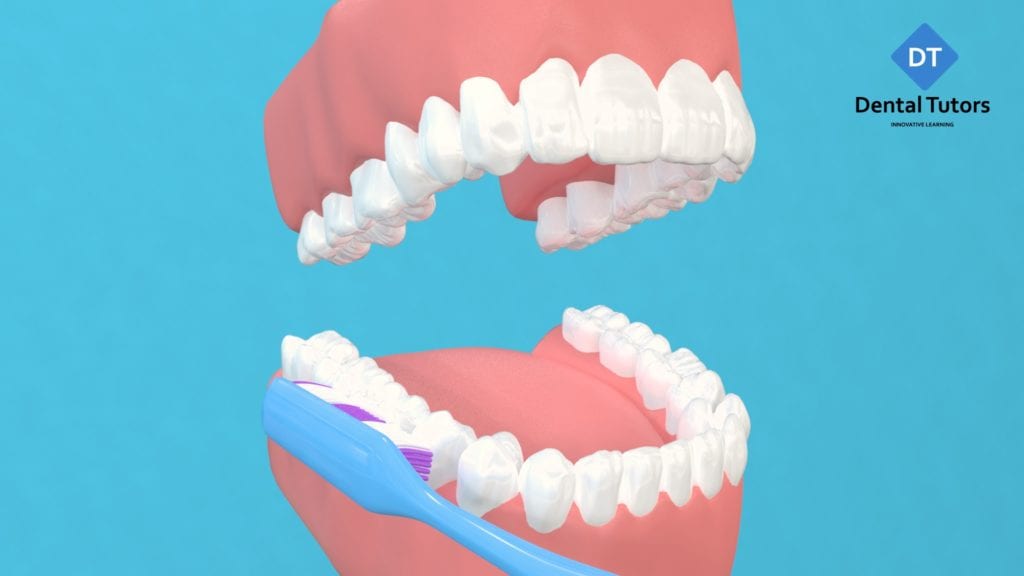
- Oral hygiene advice: Provide effective guidance on toothbrushing, interdental cleaning and plaque control.
- Diet and nutrition: Explain the relationship between diet, sugar consumption and oral health.
- Dental disease prevention: Understand preventive approaches to dental caries, periodontal disease and other oral health conditions.
- Patient communication: Adapt oral health messages to suit different ages, abilities and individual needs.
- Community oral health: Plan and support oral health education activities for individuals and groups.
- Professional practice: Develop your understanding of evidence-based practice, professional responsibilities and patient-centred care.
TRAINING IN ORAL HEALTH EDUCATION: Intended Learning Outcomes
The following syllabus is designed to provide Dental Nurses with the educational experience, including the knowledge, critical understanding, intellectual skills, practical skills and personal attitude to enable them to provide effective oral health education for dental patients.
Knowledge and critical understanding:
- Demonstrate skills in the management and delivery of oral health education, and the development of oral health promotion programmes for a range of groups of people.
Intellectual skills:
- Provide an insight into the scientific basis of oral health promotion and oral health education and to develop an understanding of the link between general health and oral health.
Practical skills:
- Proficient in the design and delivery of appropriate, individual oral health care plans to prevent/minimise the effects of oral disease.
- Provide comprehensive oral care using the most appropriate treatment modality.
Personal attitude:
- Empathise with patients and demonstrate the ability to communicate effectively with patients, parents, carers and colleagues.
CHEATING DURING EXAMS
Cheating of any kind is not tolerated. Exam integrity matters to us, and any attempt to cheat or interfere with the exam will be investigated. Students found responsible can be withdrawn or required to resit under an invigilator’s supervision, and they pay the associated costs such as: covering travel fees of the invigilator, accommodation, classroom hire, exams resit fees, and other related costs.
Remote monitoring through the MaxExam app is in place for every sitting. To avoid problems on the day:
- Sit somewhere quiet where nobody will disturb you, and make sure you’re alone. No children or pets in the room.
- Keep your camera unobstructed and stay in view for the whole exam.
- Don’t use phones, tablets, smartwatches or any other electronic device.
- Keep your desk clear. Textbooks and revision material aren’t allowed, but you may use pen and paper for brief notes.